
Sage
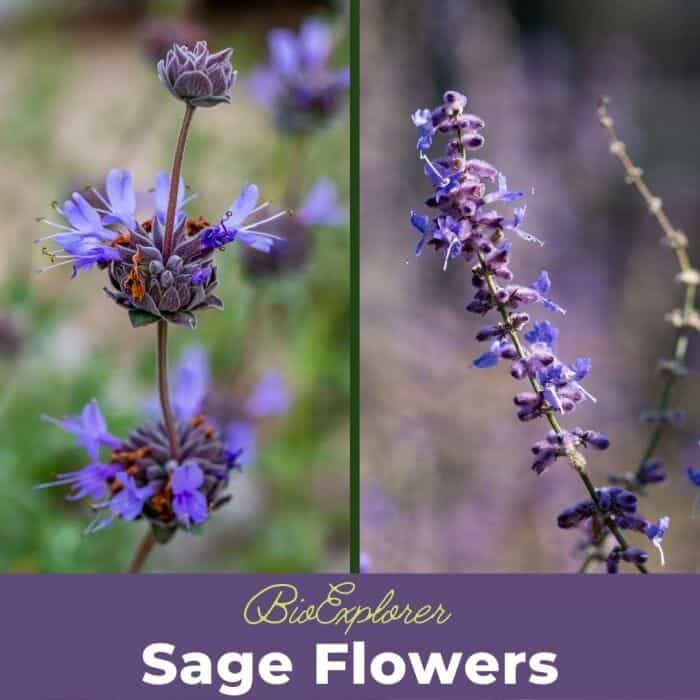
From culinary to medicinal uses, sage has long been an herb garden staple. Sage is most commonly cultivated for its flavor, but it’s also a relatively perennial and hardy plant in the garden.
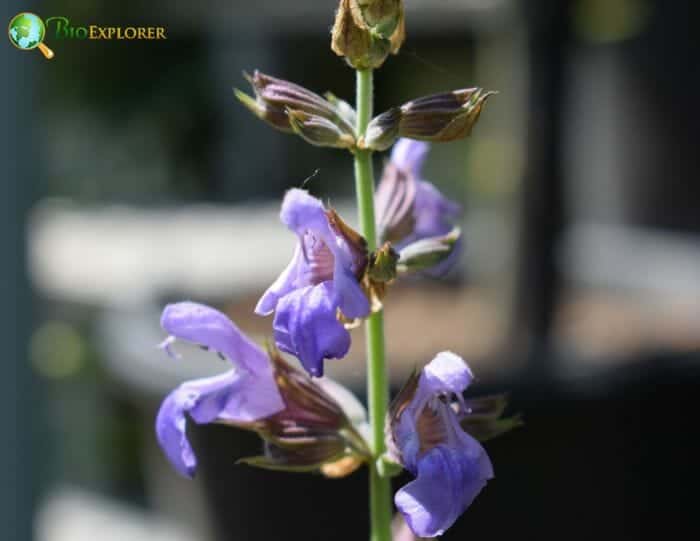
The gray-green foliage and light blue flowers of sage help it thrive well with other plants in a container or flower bed. Common sage originates from the Mediterranean region.
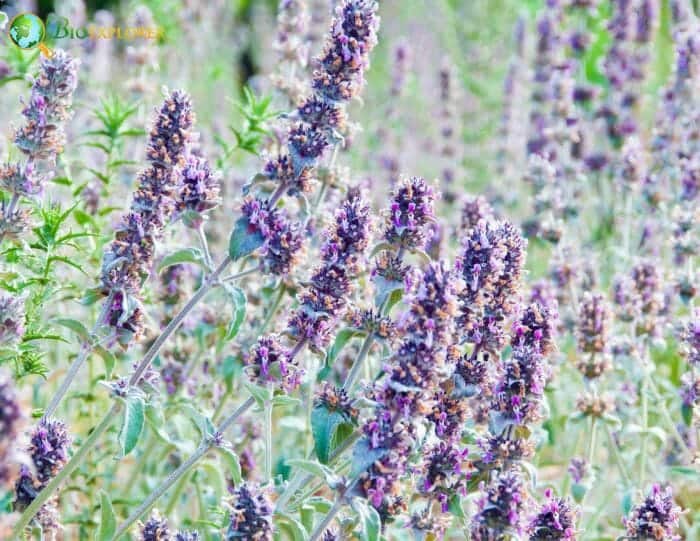
The garden sage (Salvia officinialis) is a Lamiaceae (mint) family member. The plant genus sage (Salvia) is very species-rich, with over 1000 species[1].
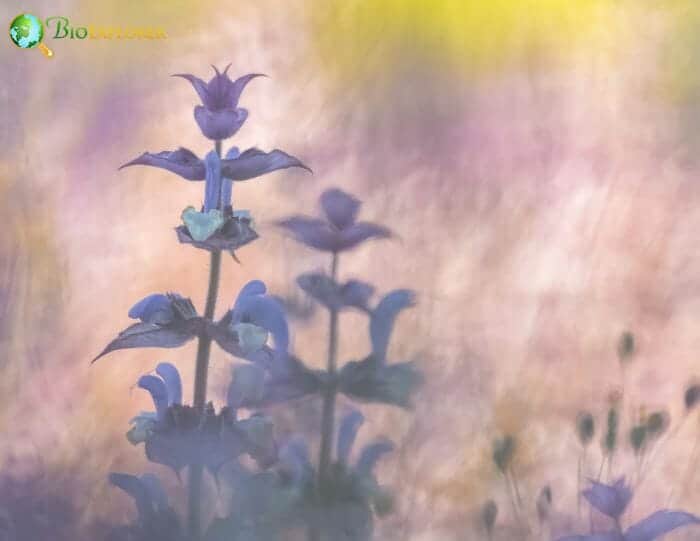
Garden sage is a medium-sized perennial shrub typically grows to between 15 to 24 inches (40 and 60 cm) in height. Sage forms oblong, almost elliptical leaves that exude a robust aromatic aroma due to the essential oils.
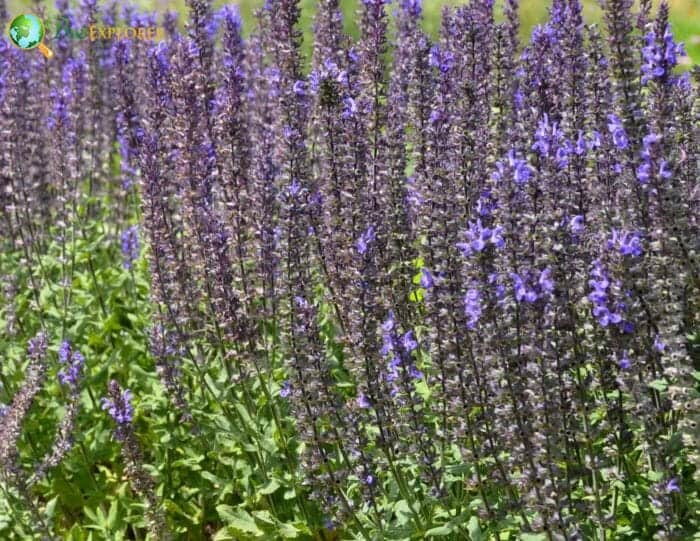
The leaves have a white, hairy feel on both sides of the leaves. Garden sage usually forms purple or white flowers during the flowering period (spring to summer).
Cite this page
BioExplorer. (2026, August 26). Sage. https://www.bioexplorer.net/plants/flowers/sage/