
Pheasant’s eye
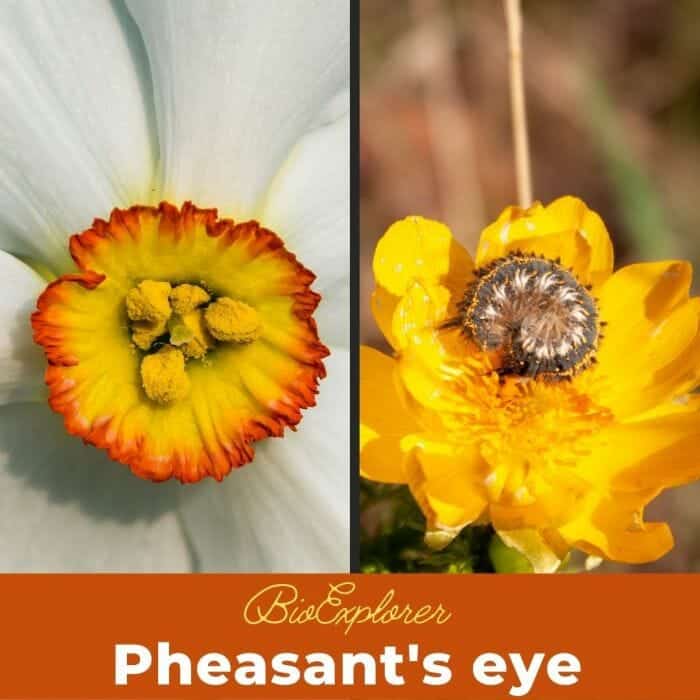
Adonis vernalis, commonly known as pheasant’s eye, false Hellebore, yellow pheasant’s eye, and spring pheasant’s eye, is a perennial plant in the Ranunculaceae (buttercups) family.
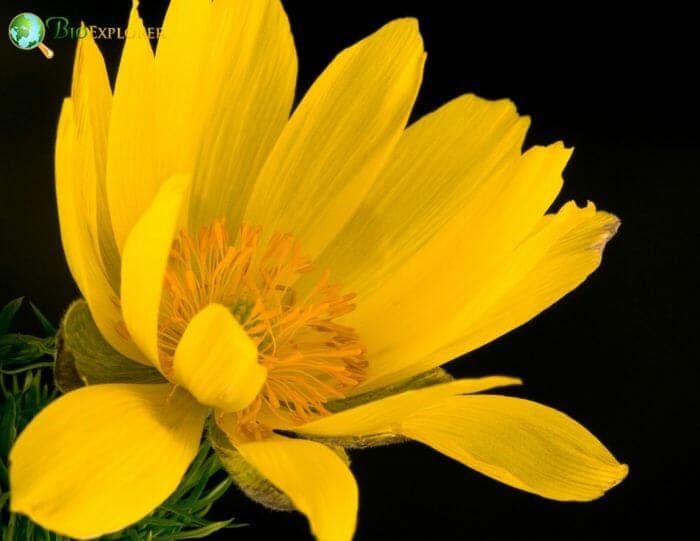
It occurs in the dry grasslands and steppes of Western Asia and the Mediterranean. The genus Adonis includes 32 species[1]. The name pheasant’s eye refers to the similarity between the colors of its flowers and a pheasant’s red-eye.
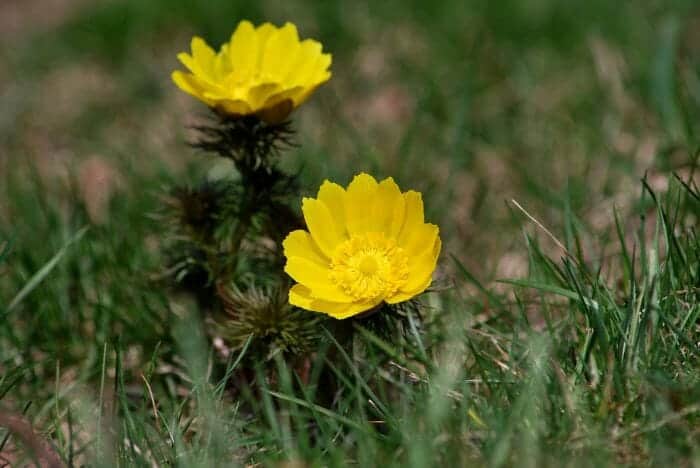
The plant features upright, columnar, branching, leafy stems that average 8 to 24 inches tall. The typical width of the plant is 6 to 12 inches.
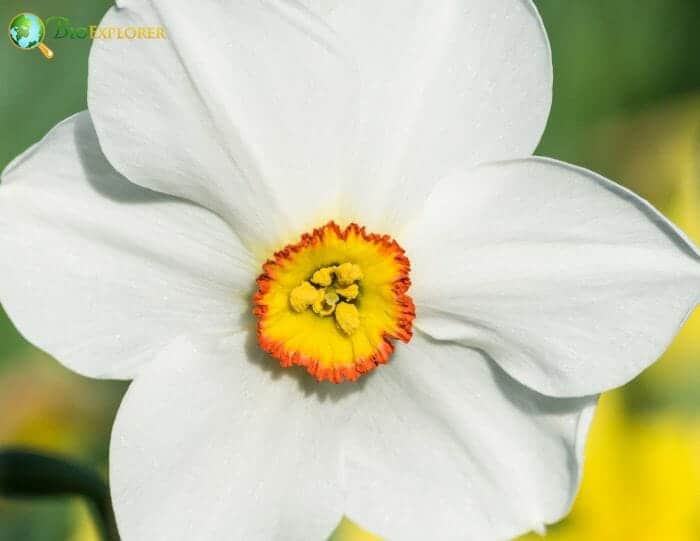
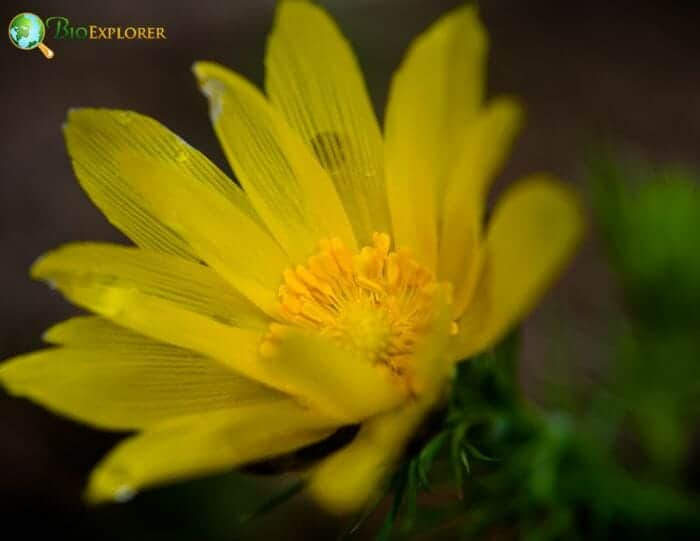
The blooms are small and resemble buttercups, varying in color from yellow, orange, scarlet, or purple. In most species, the flower has a dark purple spot in the middle and dark purple stamens and anthers.
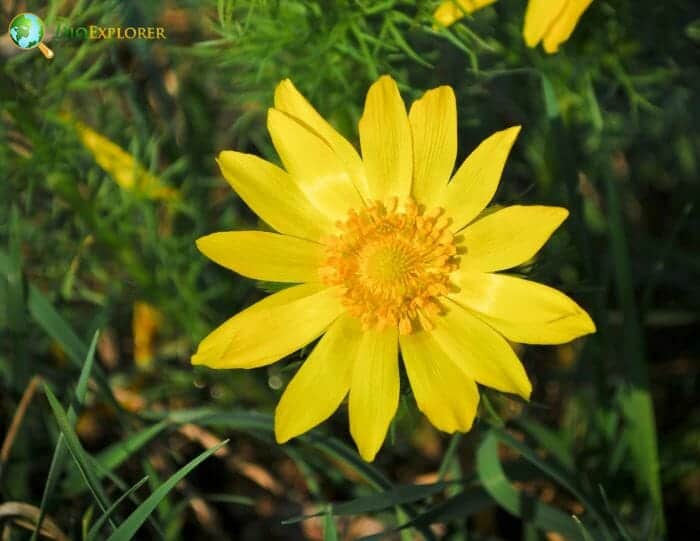
The leaves are light green, pinnate, and resemble ferns. The pheasant’s eye flowers bloom from May through July.
Cite this page
BioExplorer. (2026, September 30). Pheasant’s eye. https://www.bioexplorer.net/plants/flowers/pheasants-eye/