
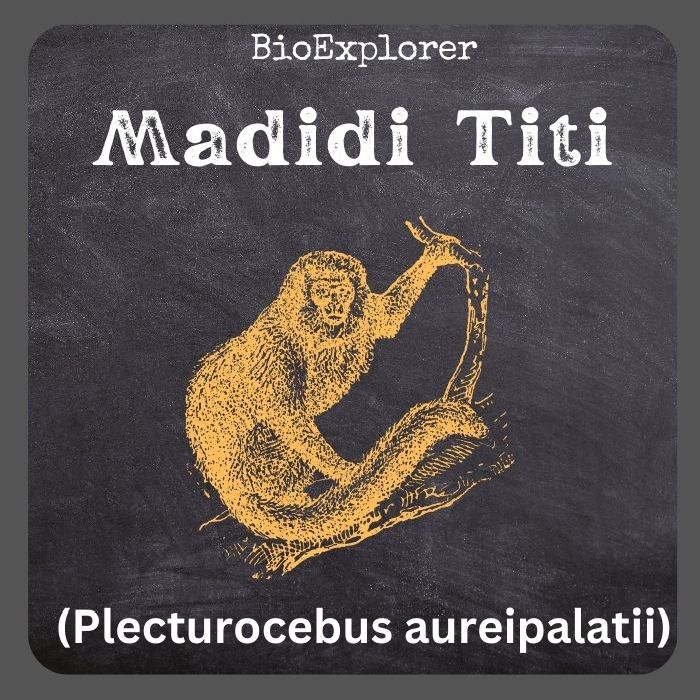
Madidi Titi
| Kingdom | Order | Family | Genus | Species |
|---|---|---|---|---|
| Animalia | Primates | Pitheciidae | Plecturocebus | Plecturocebus aureipalatii |
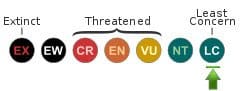
- Common Name: Madidi Titi
- Taxonomy Classification Year: 2006
- Monkey Size: 80 to 81.7 cm (31.5 to 32.17 in)
- Skin Color(s): Orange-brown
- Habitat: Forest
- Diet: Herbivorous
- Native Countries: Bolivia

Madidi Titi Distribution
Countries
Bolivia ( )
)
)Madidi Titi Characteristics
The Madidi titi[1] also called the Golden Palace monkey, is a titi, a New World species of monkey discovered in 2004 in Madidi National Park in western Bolivia.
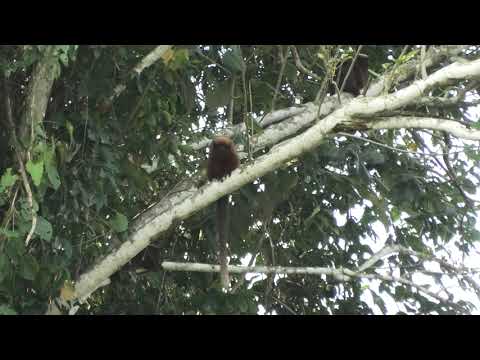
- Golden Palace Titi monkeys, like all titi monkeys, are relatively small, thickly-furred primates.
- The fur on the back is orange-brown, while the belly, forearms, legs, and paws are orange.
- The tail is long and bushy; it cannot be used as a prehensile tail like all Titi monkeys.
- It is usually dark in color but has a white tip. The head is small and rounded with a distinctive golden crown. The hair on the cheeks and neck is orange.
Madidi Titi Facts
- The species got its name, Golden Palace, from an online casino after an auction.
- Like all other common titis, they live in monogamous family groups consisting of common parents and offspring, in which pairs often stay together for life.
- Like all common titis, these primates are arboreal and diurnal.
- A pair maintains territory over rival pairs primarily through territorial calls.
- The male usually carries the babies until they can survive independently.
Suggested Reading: Species of Monkeys
Cite this page
BioExplorer. (2026, August 26). Madidi Titi. https://www.bioexplorer.net/animals/mammals/monkeys/madidi-titi/